- In stock Hurry, only a few left! Backorder Backorder
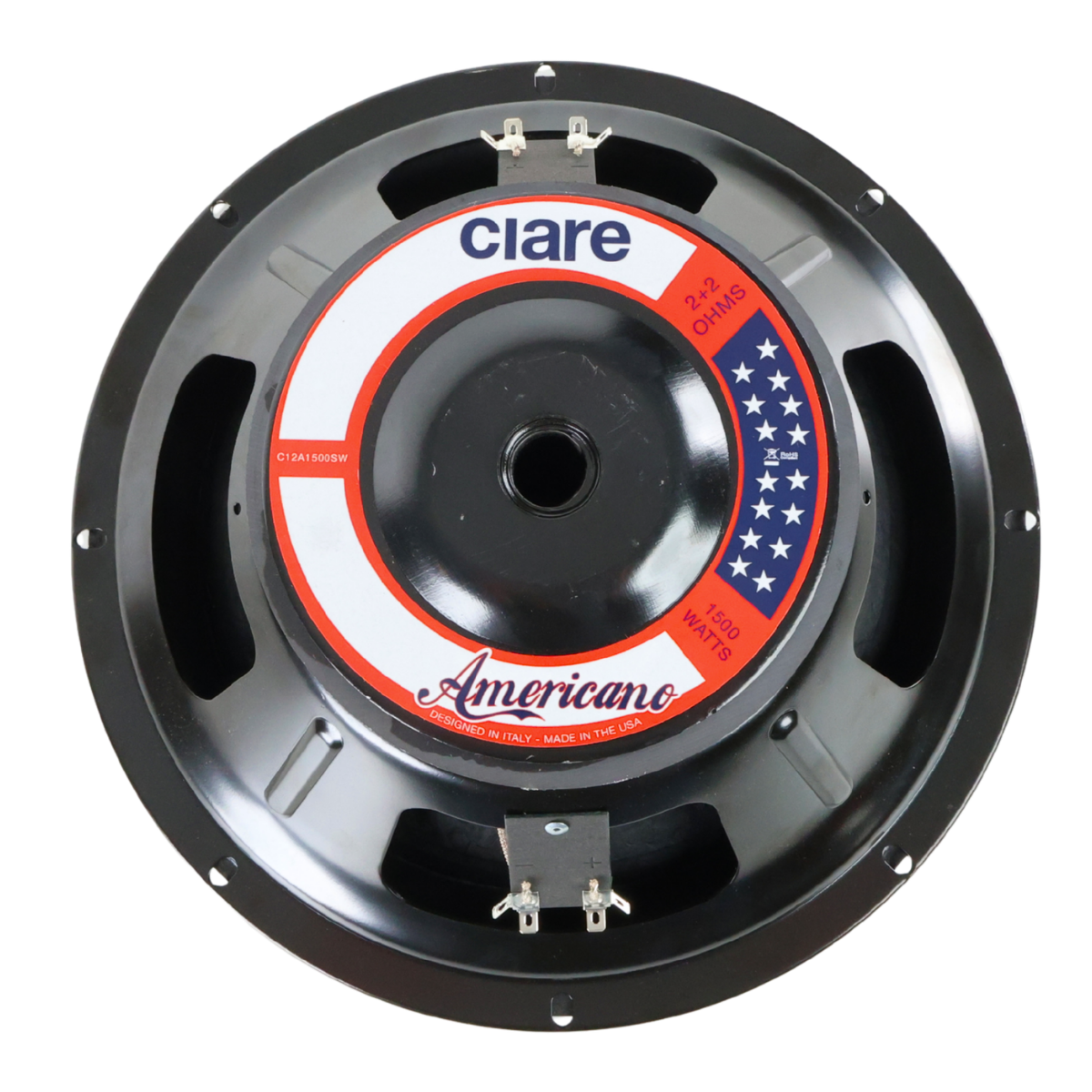
CIARE Americano
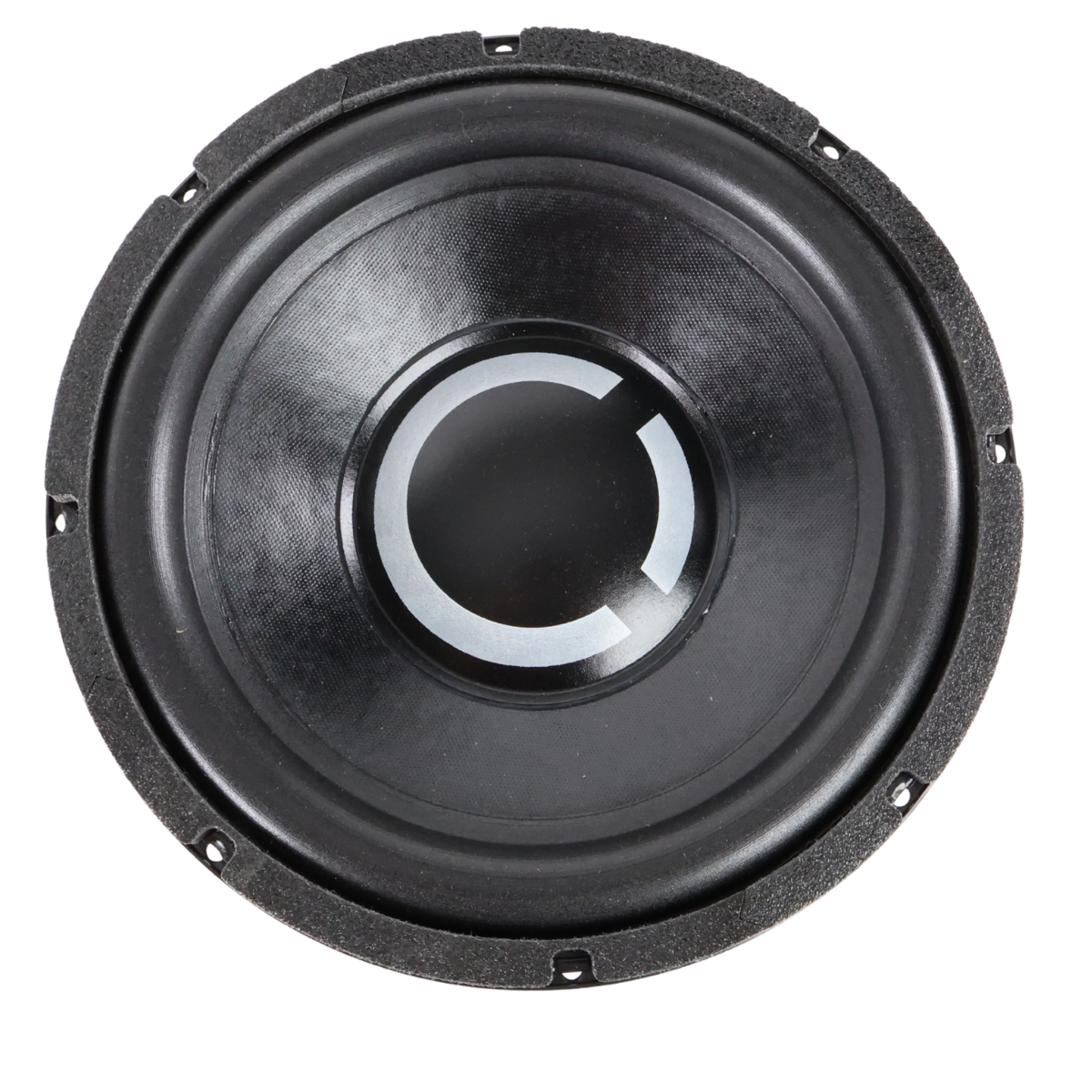
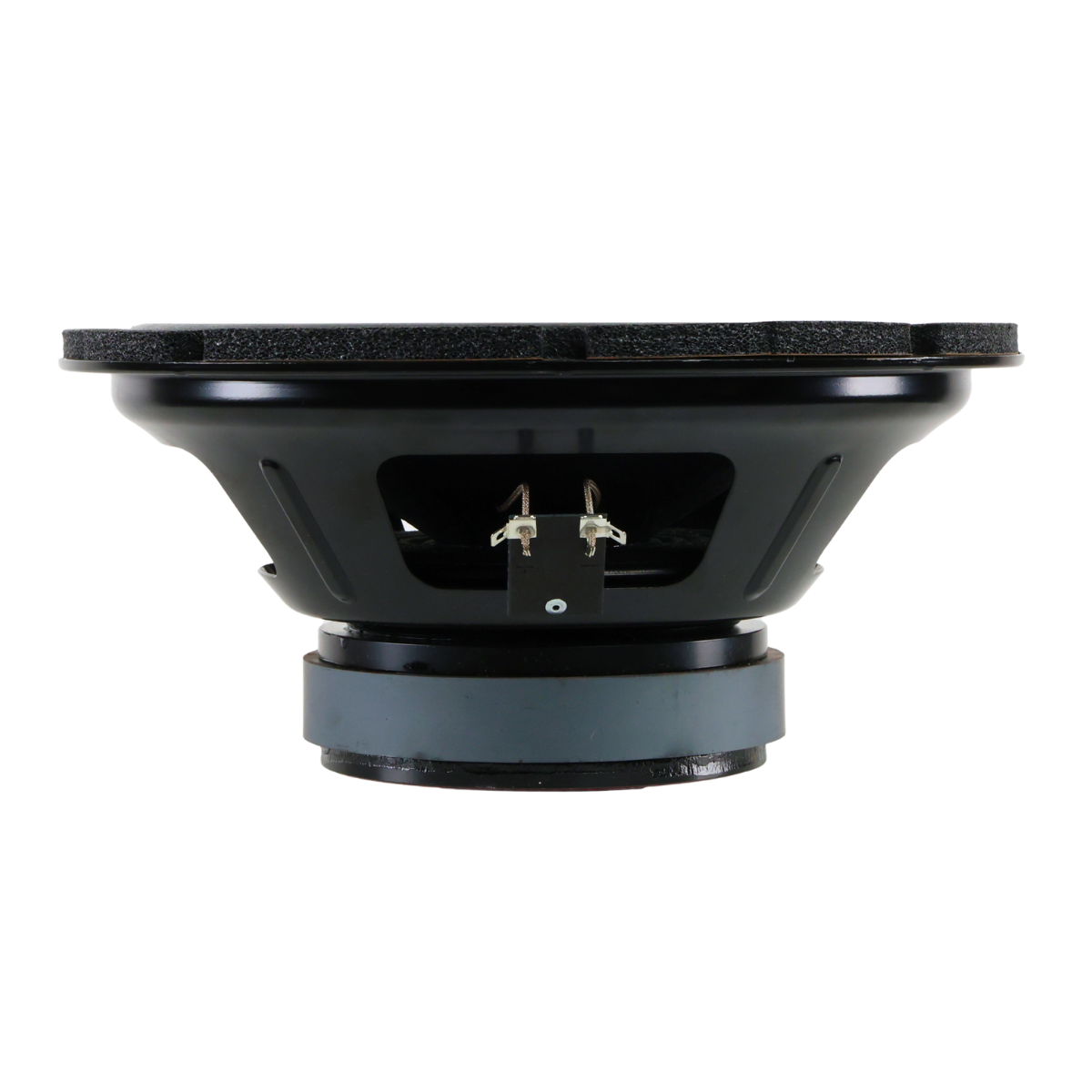
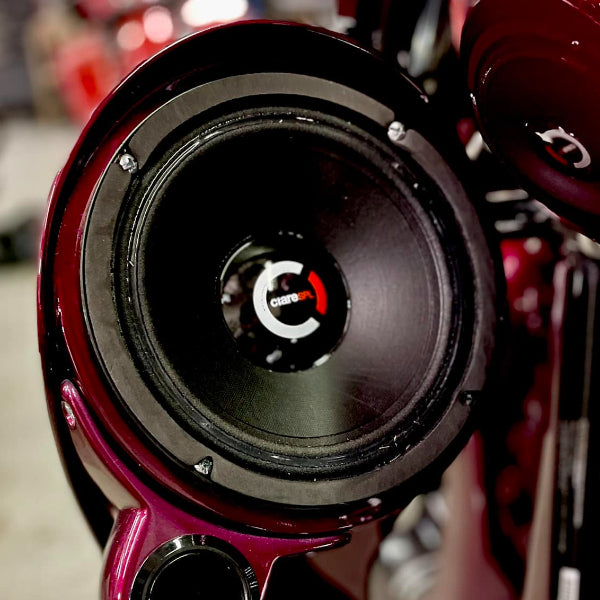
C12A1500SW-44 Dual 4-Ohm 12" 1500W Subwoofer
• Rubberized large-roll foam surround and Acquafoca™ cone for water resistance
• 1500W RMS / 3000W Peak Performance
• Dual 4Ω Voice Coils for Wiring Flexibility
• High-Excursion 12.4mm Xmax Design
• Deep Bass from Compact Enclosures
• Advanced Vented Motor for Improved Cooling and Reliability
The C12A1500SW-44 is a high-performance 12-inch subwoofer designed to deliver deep, powerful bass in car audio, motorcycle audio, and powersports applications. With 1500 watts RMS and 3000 watts program power handling, a dual 4-ohm voice coil design, and a long-excursion motor featuring 12.4mm Xmax, it produces impressive low-frequency output with excellent control and low distortion.
Engineered to deliver impressive output from enclosures as small as 1 cubic foot, this high-performance mobile audio subwoofer is ideal for custom installs where space is limited. An extended and vented ferrite motor system improves cooling and reliability, ensuring consistent performance during extended high-output listening sessions.
Unique to the CIARE Americano subwoofers is an industry-first Hempylene™ cone with a proprietary blend of hemp (for natural damping), polypropylene (for water resistance), and paper (for lightweight structure and natural sound). Additionally, each subwoofer is treated with a layer of Acquafoca™ water repellant. The end result is a musical subwoofer that stands up to the use and abuse of outdoor Powersports applications such as rider bikes, golf carts, Jeeps, ATVs and side by sides.
Couldn't load pickup availability
FAQ for Speakers
Some common questions about CiareUSA speakers. Also checkout our library of FAQ's for more or ask us a question here.
Power Rating
The power rating of a speaker is typically listed in two ways:
Nominal or Continuous power rating: The amount of pure power that can be applied to a speaker continuously with a constant signal. Some manufacturers use a pure tone or industry accepted signal (such as a modified version of pink noise) and apply it for a given period of time (typically 2 to 8 hours or more).
Music/Program power rating: Music typically does not have constant tones, there are many instances within a song where the signal is low and amplifier power drops to near 0 watts, which allows for a speaker’s voice coil to cool. Because of this, a speaker is able to accept twice the amount of power from an amplifier, provided the amplifier is not sending a clipped signal (which is momentary DC voltage) to the speaker.
For tweeters and high frequency compression drivers, the power handling rating assumes that an appropriate high-pass filter (passive or active) is used.
Speaker Impedance
A speaker’s impedance is traditionally considered the lowest AC resistance in a speaker’s bandwidth, which is between resonant frequency (also referred to as Fs) and the highest frequency the speaker can reproduce.
When testing a speaker’s resistance with a multimeter, DC resistance (also referred to as Re) is being measured. It is very common to measure resistance up to 50% lower than a speaker’s rated impedance.
For example, many 8-ohm speakers will measure 6 ohms with a multi-meter or DMM.
Resonance/Resonant Frequency
A speaker’s resonant frequency is the frequency at which the weight of the moving parts of the speaker becomes balanced with the force of the speaker suspension when in motion.
With a speaker, the mass of the moving parts, and the stiffness of the suspension (surround and spider) are the key elements that affect the resonant frequency.
As a general rule of thumb, a lower resonant frequency indicates a woofer that would be better for low-frequency reproduction than a speaker with a higher Fs. This is not always the case though, because other parameters affect the ultimate performance as well.
Usable Frequency Range
A speaker’s usable frequency range is defined differently for each type of speaker but generally follows the rule of thumb where the lowest frequency is the resonant frequency, and the highest frequency is where the speaker’s output begins to decrease.
Woofers will typically play lower than the listed lowest frequency but is dependent on the enclosure type (sealed versus ported/vented versus bandpass), size, and tuning.
High frequency speakers, such as tweeters and compression drivers, have a slightly different usable frequency range that typically starts at one octave (or twice the frequency) above resonant frequency. It is a good rule-of-thumb to use a 12 dB/octave (or steeper, such as 18 dB/octave) high-pass filter set to double or triple the resonant frequency.
Sensitivity
A speaker’s sensitivity represents one of the most useful specifications published. It is a representation of the efficiency and loudness (SPL, which is sound pressure level) you can expect from a device relative to the input power.
Sensitivity is expressed as the average output across the usable frequency when applying 1W/1M into the nominal impedance, 2.83V for 8 ohms, 2V for 4 ohms.
As most amplifiers are voltage-source devices, increasing the gain increases the voltage. Once gain is set at a particular level, it is common to notice that a 4-ohm speaker is a little louder (around 3 dB) on a given amplifier than an 8-ohm speaker connected to the same amplifier. This is due to the 4-ohm speaker drawing twice the amount of current from the amplifier than the 8-ohm speaker.